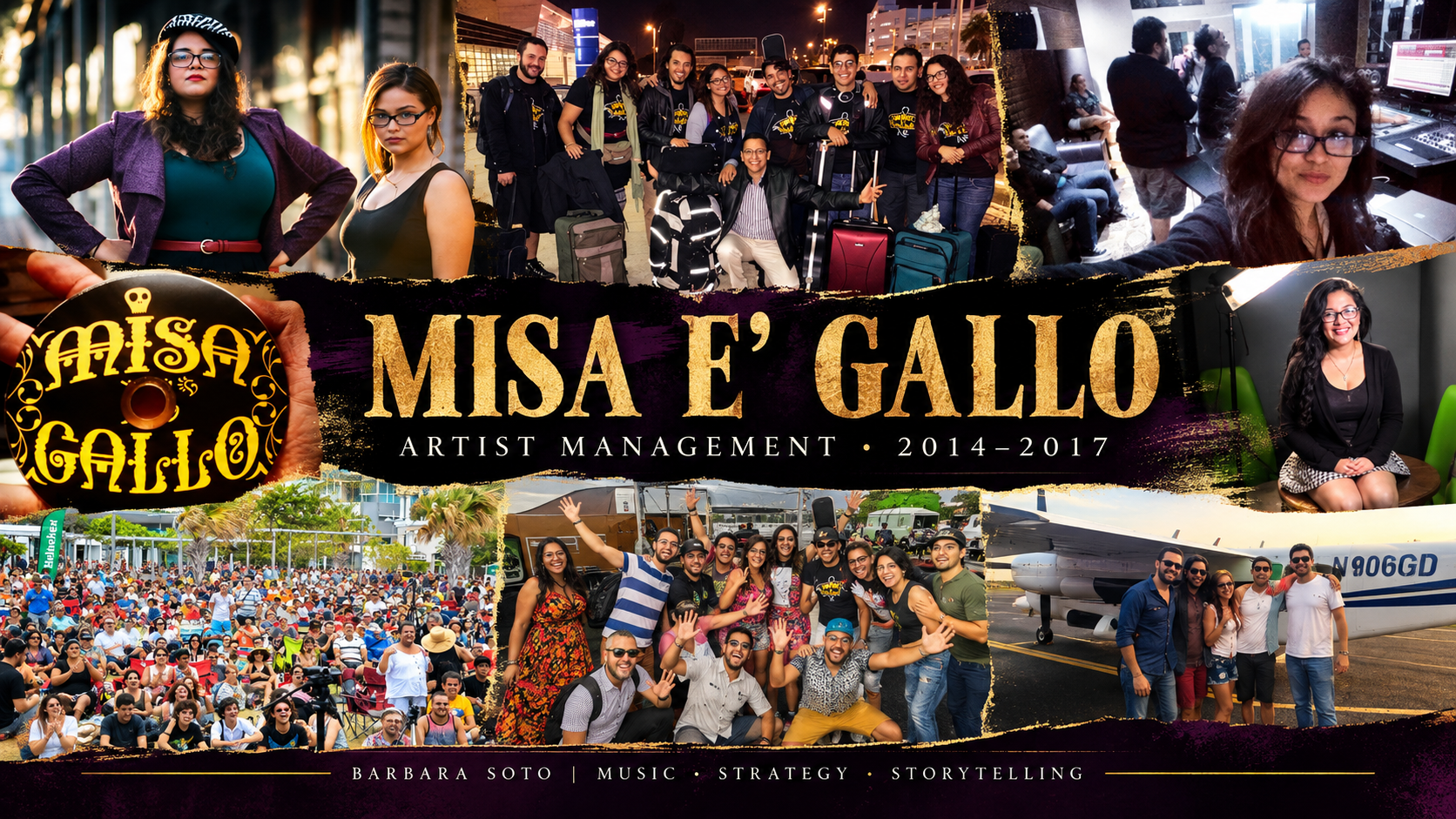

My work involved artist management, creative positioning, public relations, digital marketing, audiovisual production, and professional development.
Yet, one of the most meaningful aspects of this experience was training the artists in music management.
I wanted them to understand more than the creative side of the industry. I wanted them to develop a practical understanding of the business behind their talent: how to evaluate opportunities, communicate their value, make informed career decisions, and navigate the professional responsibilities associated with building a music career.
Looking back, this experience represents an important chapter in my journey as an entertainment professional, talent developer, and strategic communicator.
Teaching Music Management While Preparing for My Own Transition
During this period, I was also experiencing a significant personal transformation.
Following my conversion to Christianity and my involvement in a nondenominational Christian prophetic church, I began transitioning toward Christian music.
As my own professional direction evolved, I reflected on the knowledge and experience I had accumulated in the entertainment industry and how I could use them to serve others.
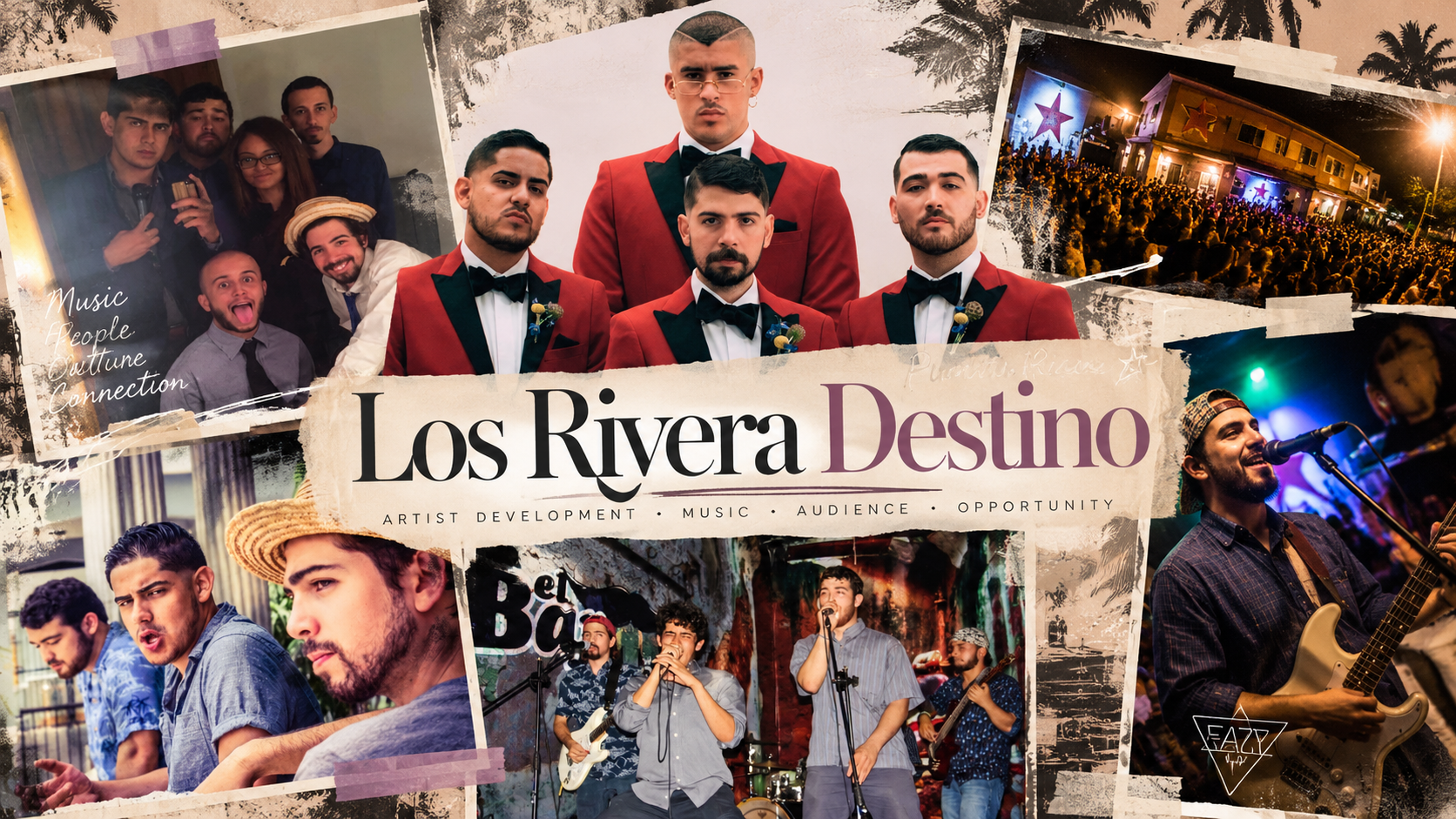
Training Los Rivera Destino in music management became an opportunity to share that knowledge. Rather than focusing exclusively on the creative product, I wanted the artists to understand the business infrastructure supporting their work.
This experience reinforced an important leadership principle: professional growth is not only about what we accomplish individually. It is also about the knowledge, skills, and opportunities we help others develop.
Sometimes, preparing for your next chapter includes helping someone else prepare for theirs.
What Happened Next: Los Rivera Destino and Bad Bunny
Los Rivera Destino continued developing their musical identity after my management period ended in 2017.
In 2018, the group attracted widespread attention for its bolero interpretation of Te Boté, showcasing its distinctive approach to musical reinterpretation and humor.
On June 16, 2019, the group released Flor, a collaboration with Puerto Rican artist Bad Bunny, whose real name is Benito Antonio Martínez Ocasio.
Contemporary reporting by Primera Hora covered the collaboration and reported that the artists had recorded the song earlier that month.
This later milestone is part of the group’s continuing artistic story. My own contribution belongs to an earlier chapter: the years when I worked with the group in artist management and talent development.
I believe it is important to document these experiences because creative careers develop over time. They involve experimentation, professional relationships, learning, collaboration, and opportunities that emerge at different stages.
Watch the collaboration: Los Rivera Destino featuring Bad Bunny — Flor
Read the contemporary coverage: Primera Hora — Bad Bunny se cura grabando con Los Rivera Destino
The Business Behind the Talent
Talent can open doors, but understanding the business helps artists navigate what happens after they walk through them.
One of the most meaningful parts of my experience managing and developing Los Rivera Destino was the opportunity to introduce the group to the principles of music management.
Building a career in entertainment requires more than creating great music. It also requires business knowledge, strategic thinking, communication, and informed decision-making.
An artist should never have to choose between being creative and being business-minded. Both are essential to building a sustainable career.
Understanding the business means learning how to:
- Evaluate opportunities: Recognize which opportunities align with your artistic identity and long-term goals.
- Understand contracts: Know when to ask questions, seek qualified professional advice, and understand the obligations involved before signing an agreement.
- Manage finances: Understand revenue, expenses, compensation, and the financial implications of professional decisions.
- Protect intellectual property: Recognize the importance of understanding ownership, licensing, royalties, and usage rights.
- Develop a brand: Communicate a distinctive artistic identity and build meaningful connections with an audience.
- Build professional relationships: Understand the roles of managers, booking agents, publicists, promoters, distributors, and other industry professionals.
- Advocate for yourself: Participate in decisions that affect your career instead of relying entirely on others to interpret your interests.
Artists do not need to do everything themselves. They do, however, benefit from understanding enough to ask the right questions, recognize potential risks, and participate meaningfully in decisions about their careers.
That distinction matters.
A manager can provide guidance, coordinate opportunities, and support professional development. But an informed artist is better positioned to collaborate with that manager, understand the process, and make decisions aligned with their goals.
For me, talent development meant helping artists see beyond the stage and understand the business infrastructure that supports their creative work.
Talent Development Is Also Knowledge Transfer
My experience with Los Rivera Destino taught me that talent development is not limited to identifying potential or helping someone improve a particular skill.
It also involves sharing practical knowledge that helps people understand their professional environment.
When artists understand the business behind their craft, they can become more active participants in shaping their careers.
They can ask better questions, evaluate opportunities more thoughtfully, communicate their expectations, and recognize when they need additional professional support.
These principles extend beyond music.
Entrepreneurs need to understand the business behind their products. Creatives need to understand the value of their intellectual property. Professionals need to understand how to communicate their expertise and navigate opportunities.
Across industries, developing talent means helping people connect what they do well with the knowledge required to sustain and grow their work.
That lesson continues to influence my approach to strategic communication, marketing, leadership, and professional development.
A Personal Transition, a Professional Lesson
As I prepared to transition into Christian music following my conversion to Christianity, I was entering a new chapter in my personal and professional life.
My years in entertainment had given me practical experience in artist management, marketing, creative production, and communication. Those skills remained valuable even as my direction changed.
The experience reminded me that moving toward a new calling does not erase the value of what we have learned in previous seasons.
Our professional experiences can continue to serve others in ways we may not initially anticipate.
Looking back, I am honored to have been part of Los Rivera Destino’s journey during those years. Every professional relationship provides an opportunity to contribute, exchange knowledge, and help others prepare for what comes next.
Their journey continued beyond our time working together, just as mine continued in a different direction.
I do not measure the value of that chapter only by what happened afterward. I also value the work we did together, the knowledge I shared, and the experience I gained.
The Honor of Being Part of Someone’s Journey
Sometimes, we walk alongside people for only a season.
We contribute our knowledge, share our skills, learn from one another, and help prepare the way for what comes next.
We may not be present for every milestone that follows, and we cannot predict where another person’s journey will lead. But we can value the time we shared and the contribution we were able to make.
I am grateful to have been part of Los Rivera Destino’s professional journey from 2014 to 2017. It was an opportunity to apply my experience in artist management while helping the group develop a deeper understanding of the music business.
It is an honor to be part of someone’s journey, to contribute to their development, and to share knowledge that may continue to serve them long after your paths take different directions.
For artists, my message is simple:
Your talent is your creative asset. Understanding the business empowers you to participate in how that asset is developed, presented, protected, and sustained.
Don’t just develop your craft. Learn the business behind it.
Because the goal is not simply to get discovered. It is to understand how to build a career once the opportunity arrives.

Until next time, take care and keep shining! 👋🏽✌🏽🐝
Yes, I use AI.
I believe in using the technology and tools available to me to support my creativity, organize ideas, explore possibilities, and bring concepts to life. AI is one of the tools in my toolbox—not a replacement for my experience, perspective, or voice.
Technology continues to evolve. So do we.