
Life Beyond the Uniform
Leaving military service is more than a change in employment. It can mean navigating a new identity, new routines, new relationships, new expectations, and an entirely different way of defining success.
After-Service Transition explores the practical and personal side of that journey.
This section is about what happens after the service—when you’re figuring out who you are, what comes next, and how to use everything you’ve learned along the way.
Blog
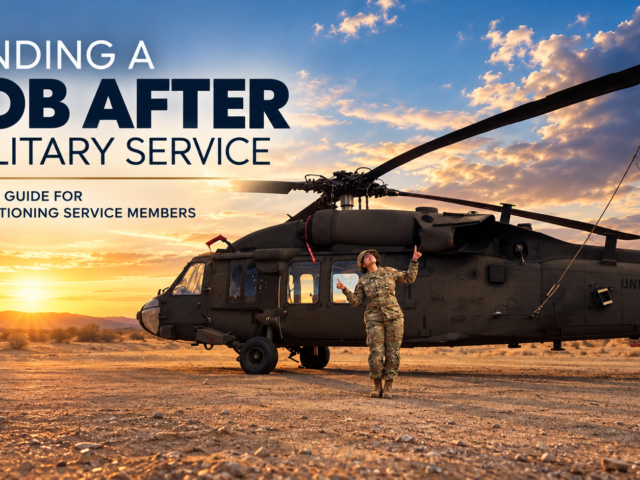
Finding a Job After Military Service: A 2026 Guide for Transitioning Service Members
Leaving the military is more than changing uniforms. It means learning how a different employment system works, translating your experience into language civilian employers understand, and discovering where career opportunities are found. One of the most common questions service members ask as they prepare for civilian life is: How do I find a job? The answer is not simply to upload your résumé to a job board and wait. A successful job search requires understanding how organizations recruit, where they publish openings, how professional referrals work, and when to approach an employer directly. Your military experience has value. The challenge...
Read More
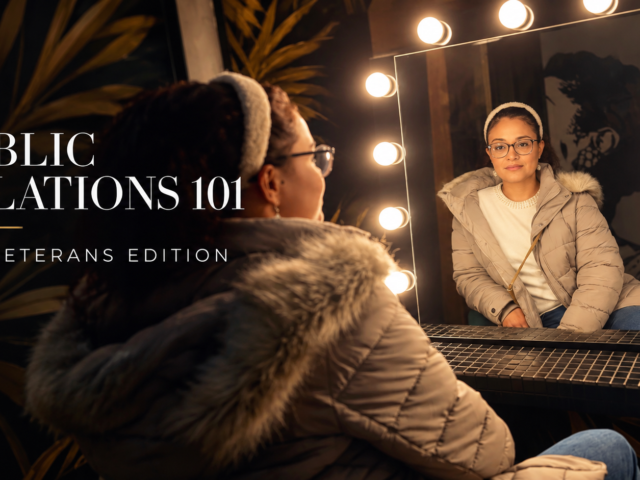
Public Relations 101: What
What It Is, What PR Professionals Do, and Where They Work Public relations is about communication, relationships, and reputation. And these skills can be useful long before you enter a PR career. When transitioning from military service to civilian employment, you may need to explain your experience, build professional relationships, and communicate your value to a new audience. Public relations offers a framework for understanding how to do that strategically. What Is Public Relations? Public relations (PR) is the strategic communication process of building mutually beneficial relationships between an organization and its audiences. These audiences may include customers, employees, journalists,...
Read More

Veterans Leadership & Application: Professional & Career Translation
From Military Experience to Civilian Value Veterans do not need to start over. They need to translate, apply, and communicate the skills they already have in a new environment. Veterans Leadership & Skills Applications 1. Self-Leadership Self-awareness Accountabilit Decision-making Resilience Adaptability Goal setting Managing stress and uncertainty Application: Turning military experience into personal leadership practices for civilian life and work. 2. Communication Clear verbal communication Briefing and presentation skills Active listening Written communication Difficult conversations Cross-cultural communication Storytelling Application: Moving from “I know how to brief a mission” to “I can communicate strategy to an executive team.” 3. Team Leadership...
Read More

The Architecture of Reality: Designing Your Day, One Pattern at a Time
The Architecture of Reality: Designing My Day, One Pattern at a Time I am the patient. That changes the way I think about change. When I hear people talk about neuroplasticity, breaking habits, changing patterns, and setting goals, I don’t hear a simple formula for becoming a better version of myself. I hear a much more complicated question: How do I build a life around the person I am today while continuing to work toward the person I want to become? Because when I am dealing with symptoms, fatigue, pain, stress, neurological changes, emotional challenges, or an unpredictable day, I...
Read More

Product Design 101 for New Civilians (Veterans)
Product Design 101 for New Civilians One of the biggest adjustments when entering civilian life is realizing that your experience is not automatically a product. You may have spent years learning how to execute a mission, solve problems, manage people, operate systems, meet deadlines, and adapt under pressure. Then you enter the civilian marketplace and someone asks: “What do you do?” Suddenly, the answer isn’t as simple. You know what you have done. But do you know how to design it into value? Start With the Problem Product design begins with a problem. Before asking: “What can I sell?” Ask:...
Read More

Reflection: Hanging Up with Elegance
When You Know the Sales Script and It’s Time to Get the Hell Out of the Call A Lesson in Communication Mastery, Emotional Intelligence, and Strategic Self-Advocacy Have you ever answered a sales call and recognized the entire conversation before the person even finished introducing themselves? You know the script. You recognize the techniques. You can almost predict the next question, the manufactured urgency, the emotional appeal, and the carefully constructed attempt to overcome your objections. Perhaps you’ve even used similar techniques professionally. And somewhere in the middle of the conversation, a thought crosses your mind: How do I get...
Read More
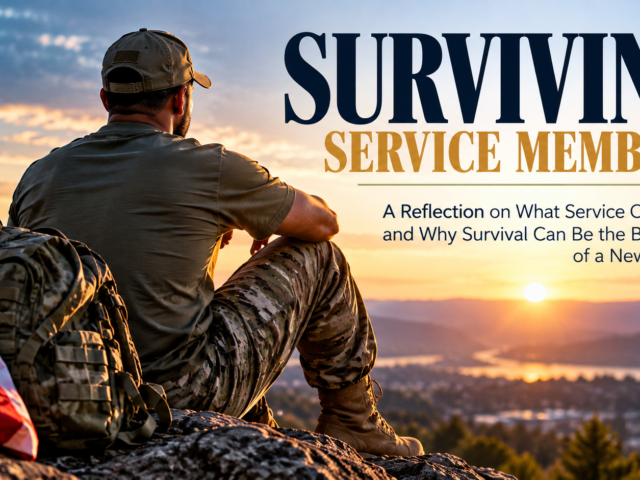
Reflection: Why Do I Say “Surviving Service Members”?
We often use the word survivor when someone has experienced something that changed the course of their life. So why do we sometimes talk about surviving service members? Because military service does not always end when the service member leaves the military. Some people return home carrying experiences that are difficult to explain. Some return with visible injuries. Others carry changes that cannot immediately be seen—changes in how they sleep, communicate, trust, respond to stress, build relationships, or understand themselves. And sometimes, the challenge isn’t surviving the deployment. It’s learning how to live after it. Transition can require a person...
Read More
The Quiet Power of Consistency
We often celebrate transformation because we can see the result. The promotion.The degree.The business launch.The completed project.The new chapter. But we rarely celebrate what made those moments possible: consistency. Consistency is quiet. It does not always produce immediate results. Sometimes, it looks like showing up when no one is watching. Practicing when you still feel inexperienced. Revisiting the same skill until it becomes natural. Making small adjustments instead of abandoning the goal because progress feels slow. Long-term growth is rarely one dramatic decision. More often, it is the accumulation of ordinary decisions made repeatedly. One conversation.One lesson.One application.One page.One uncomfortable...
Read More

Why People Remember Stories: The Power of Storytelling in Professional Communication
Why People Remember Stories One of the communication techniques I have intentionally used throughout my professional career is storytelling. Not because I believe I have the most interesting story in the room, but because I have learned that stories create opportunities for people to connect with one another. As a veteran and a Veterans Service Representative, I have had the opportunity to interact with veterans from very different backgrounds and with colleagues who have their own experiences, perspectives, and professional goals. Those interactions have taught me something important: People are more likely to remember a meaningful connection than a perfect...
Read More

From Guard/Reserve Service to Veteran Status: Understanding the Transition
Transitioning from Guard or Reserve service into veteran status can feel different from what many people expect. For some, there is a clear moment when active service ends. For others, the transition can happen gradually. You may still be working a civilian job, caring for your family, building a career, or figuring out what comes next while simultaneously learning what your military service means in this new chapter of your life. You may find yourself asking: “Am I really a veteran?” “What benefits am I eligible for?” “Does my service count?” “What do I do now?” These questions are not...
Read More

Building Psychological Safety at Home
A Veteran Reflection For many Veterans, home is supposed to be where the mission ends.But sometimes, the body doesn't get the message.You may have spent years learning to stay alert, respond quickly, read the room, control your emotions, and keep moving regardless of what was happening around you. Those skills may have helped you survive.But at home, they can sometimes make it difficult to simply feel safe.Psychological safety at home isn't about creating a perfect environment.It's about creating a space where you don't always have to be on guard.Where you can say, “I'm having a hard day,” without feeling like you have failed.Where silence...
Read More
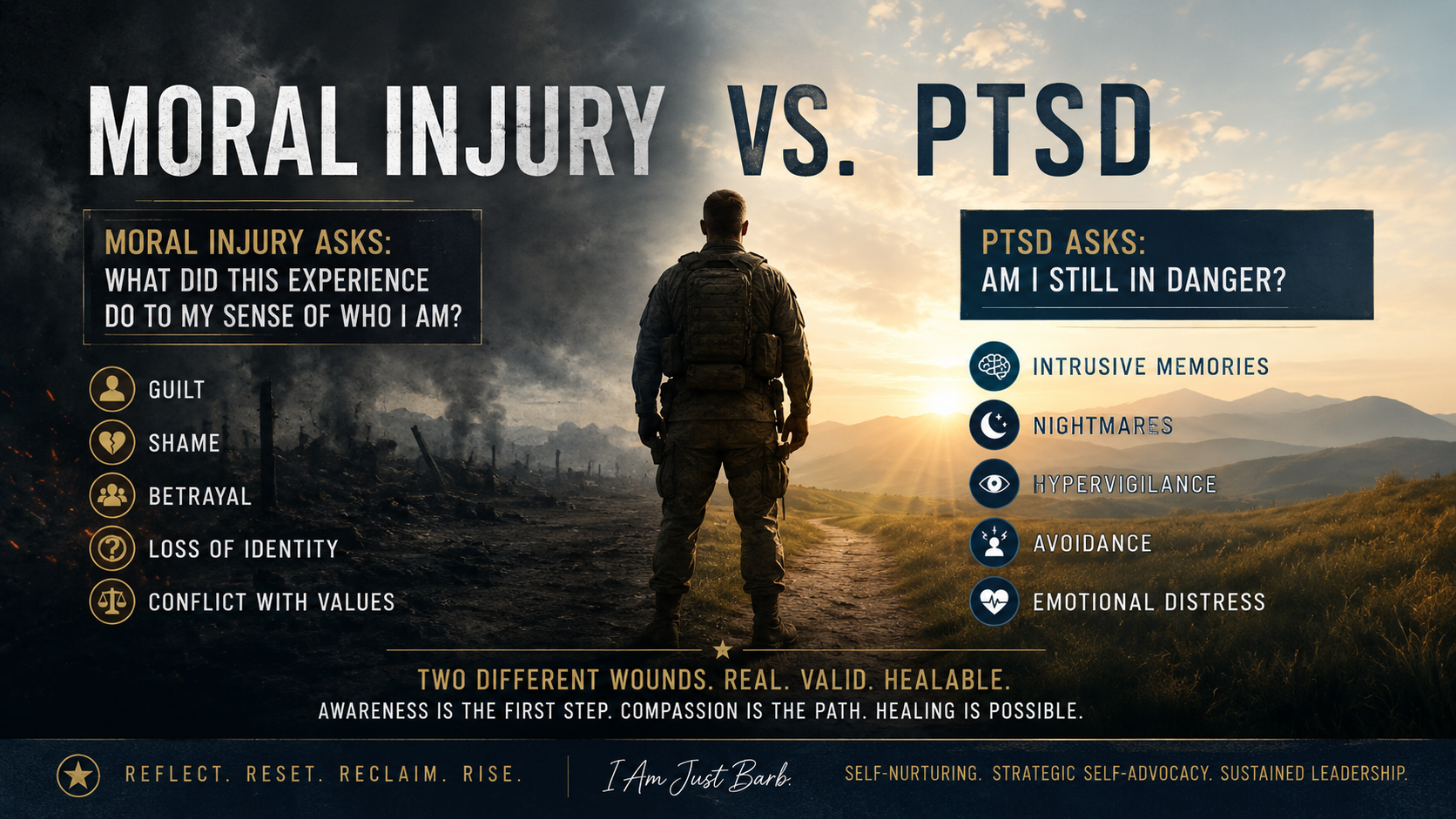
Reflect On: Moral Injury vs. PTSD
When the Wound Isn’t Only What Happened—But What It Meant Not every wound from service looks like PTSD. Sometimes, the hardest part isn’t what happened to you. It’s what you had to do, witnessed, failed to prevent, or were asked to carry. That is where the conversation about moral injury becomes important. PTSD and moral injury can overlap. They can exist together. But they are not the same thing. PTSD asks: “Am I still in danger?” Your nervous system may remain on high alert long after the threat has passed. You may experience intrusive memories, nightmares, avoidance, hypervigilance, emotional distress,...
Read More

We’re Creating Something New.
I Am Just Barb. is getting a new look—and a deeper purpose. I’m building a space for self-nurturing, strategic self-advocacy, leadership, and moving from stress to clarity. The site is temporarily under construction while the next chapter takes shape. Come back soon. Something meaningful is on the way. Reflect. Reset. Reclaim. Rise. — Barbara
Read More

From Stress to Clarity
Stress doesn’t always announce itself. Sometimes it shows up in your thoughts, your body, your emotions, or your behavior. Clarity begins when you stop ignoring what you feel and start paying attention to what is happening within you. You don’t have to fix everything right now. Start by noticing the patterns, understanding what you need, and deciding what deserves your attention. Start With Awareness Ask yourself: What is my stress trying to tell me? What is one small step I can take toward greater clarity? You don’t have to have it all figured out. You just have to take the...
Read More
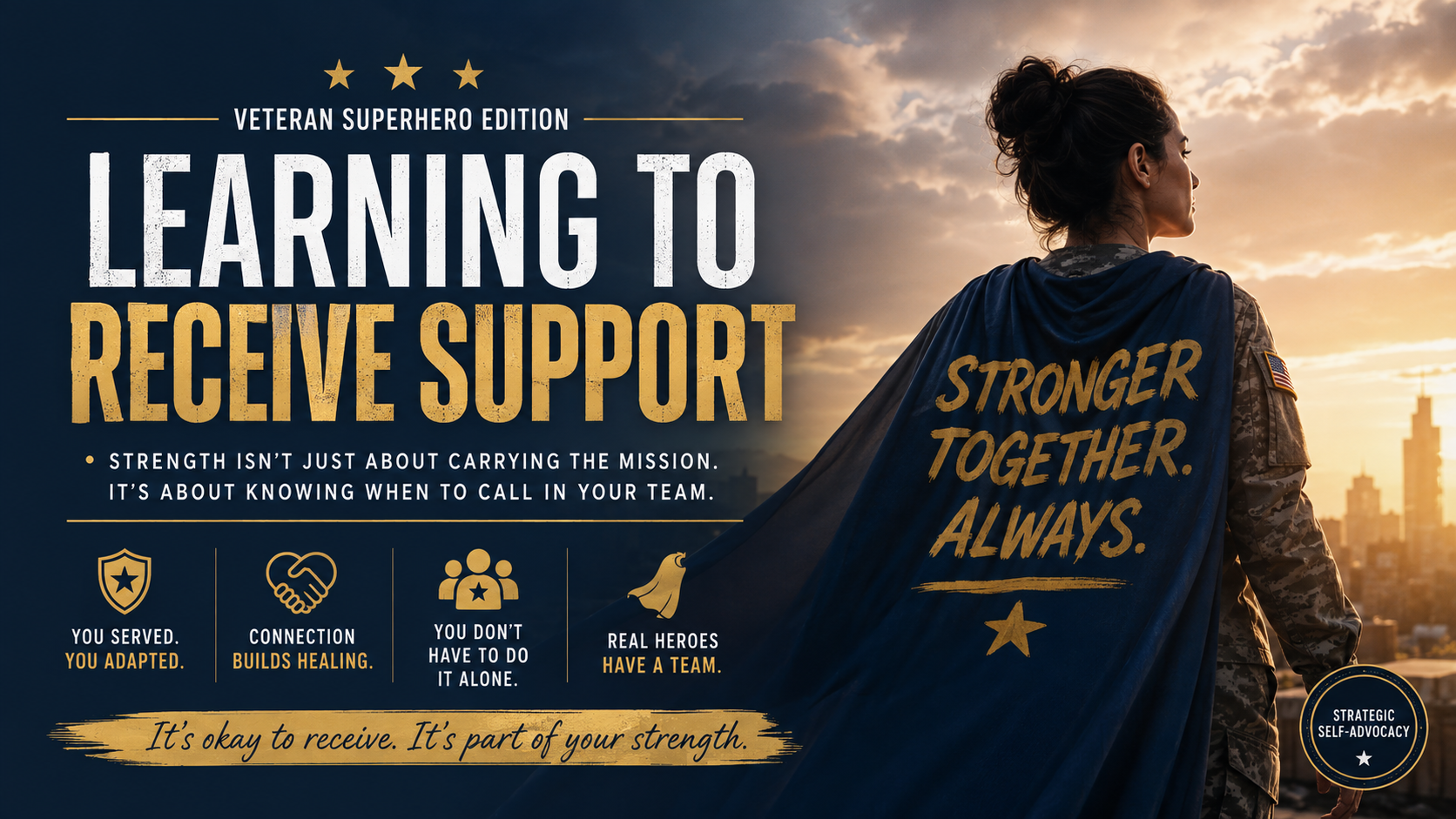
Learning to Receive Support: The Veteran Superhero Edition
There is a lesson many veterans learn the hard way: Being strong does not mean doing everything alone. You learned to carry the mission. Carry the gear. Carry the responsibility. Carry your battle buddy. Keep moving when you were tired. Stay focused when things were uncomfortable. You became the person others could count on. But what happens when you are the one who needs someone? The Veteran Superpower We Don’t Talk About Receiving support can feel strangely uncomfortable after military service. You may think: “I should be able to handle this.” “Someone else has it worse.” “I don’t want to...
Read More
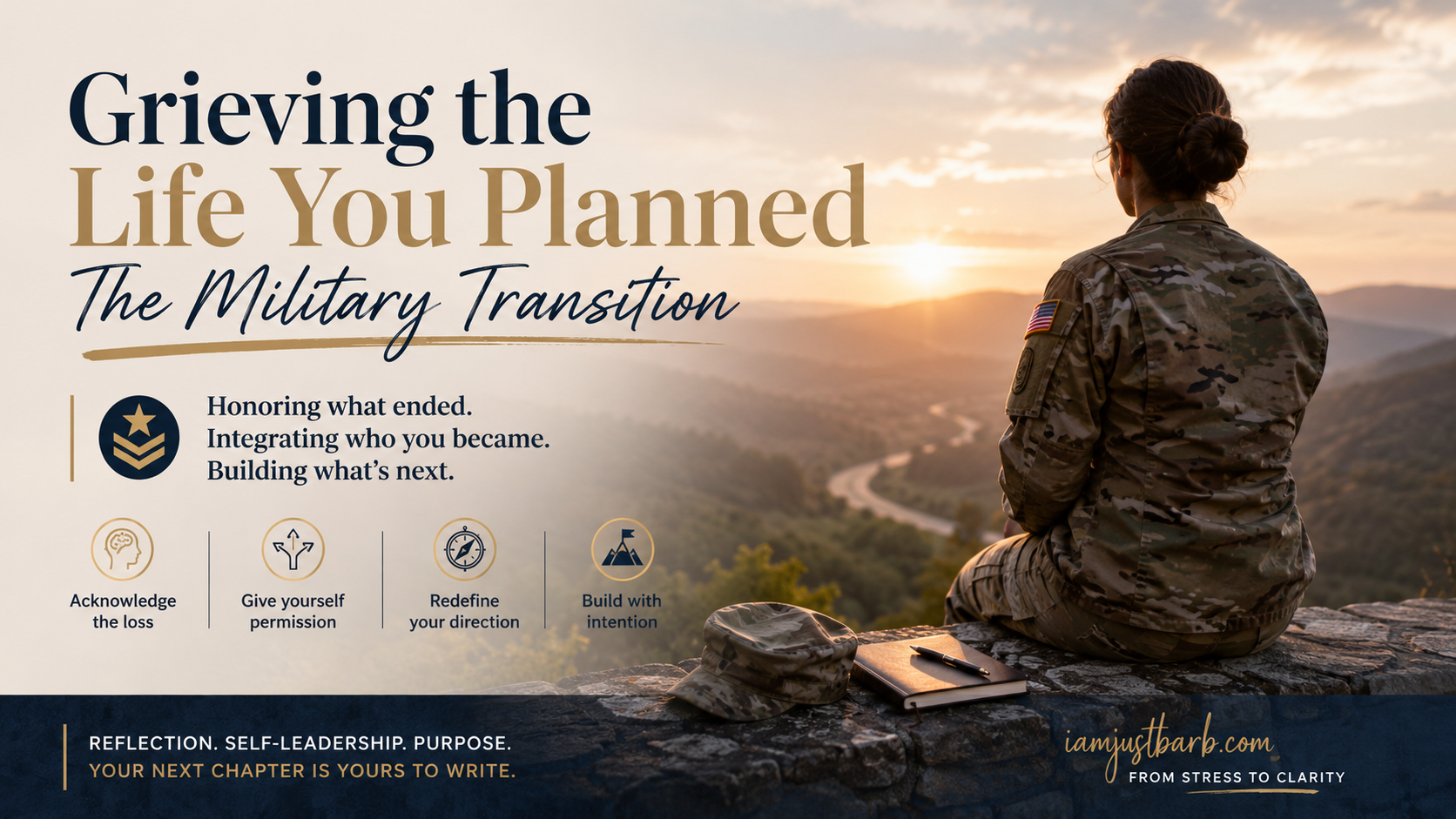
Grieving the Life You Planned — The Military Transition
Leaving the military is often described as a transition. But sometimes, it feels more like grief. You may be grieving more than your military career. You may be grieving the identity, structure, purpose, relationships, routines, and sense of belonging that came with serving. You knew who you were in uniform. You knew your mission. You knew what was expected of you. Then one day, the mission changes. And everyone tells you: “Now it’s time to move on.” But moving forward doesn’t mean you don’t miss what was. The transition can bring an unexpected question: “Who am I now?” You may...
Read More
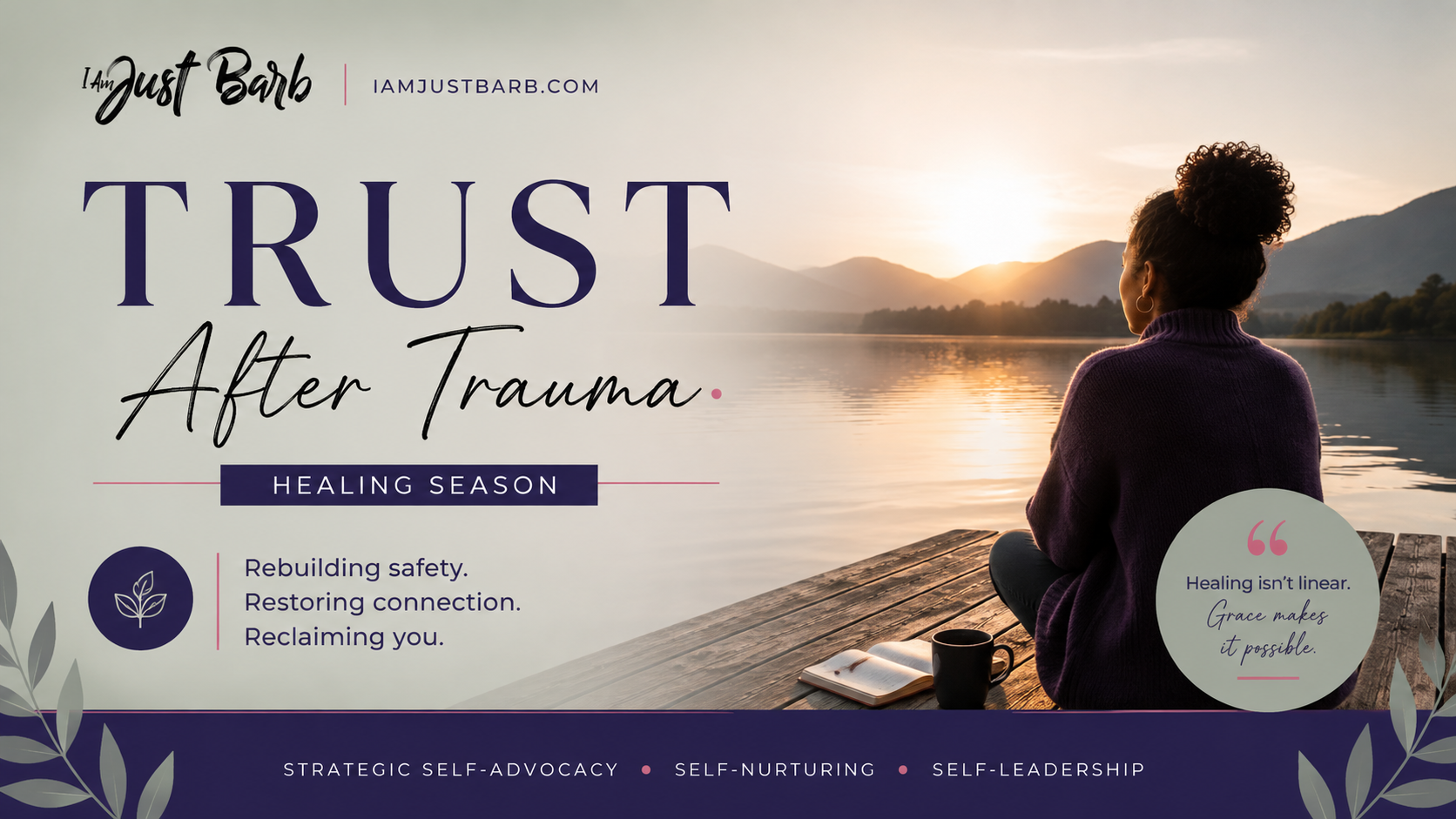
Trust After Trauma — A Healing Season
Trust After Trauma — A Healing Season Healing can change the way you understand trust. After trauma, trust may no longer feel simple. You may question people’s intentions, overthink conversations, anticipate disappointment, or feel safer depending only on yourself. And sometimes, that isn’t because you don’t want to trust. It may be because your brain learned that staying alert was safer than letting your guard down. But healing introduces a different possibility: You can learn that not every person is a threat.Not every silence means rejection.Not every disagreement means abandonment.And not every vulnerable moment will end in pain. Trust doesn’t...
Read More
There is anything you want me to post about?