
Lessons in television production, teamwork, communication, and leadership from my years working behind the scenes.
When people watch a television show, they see the hosts, guests, interviews, lighting, and final presentation. What they rarely see is the amount of preparation, coordination, problem-solving, and teamwork required to bring that production to life.
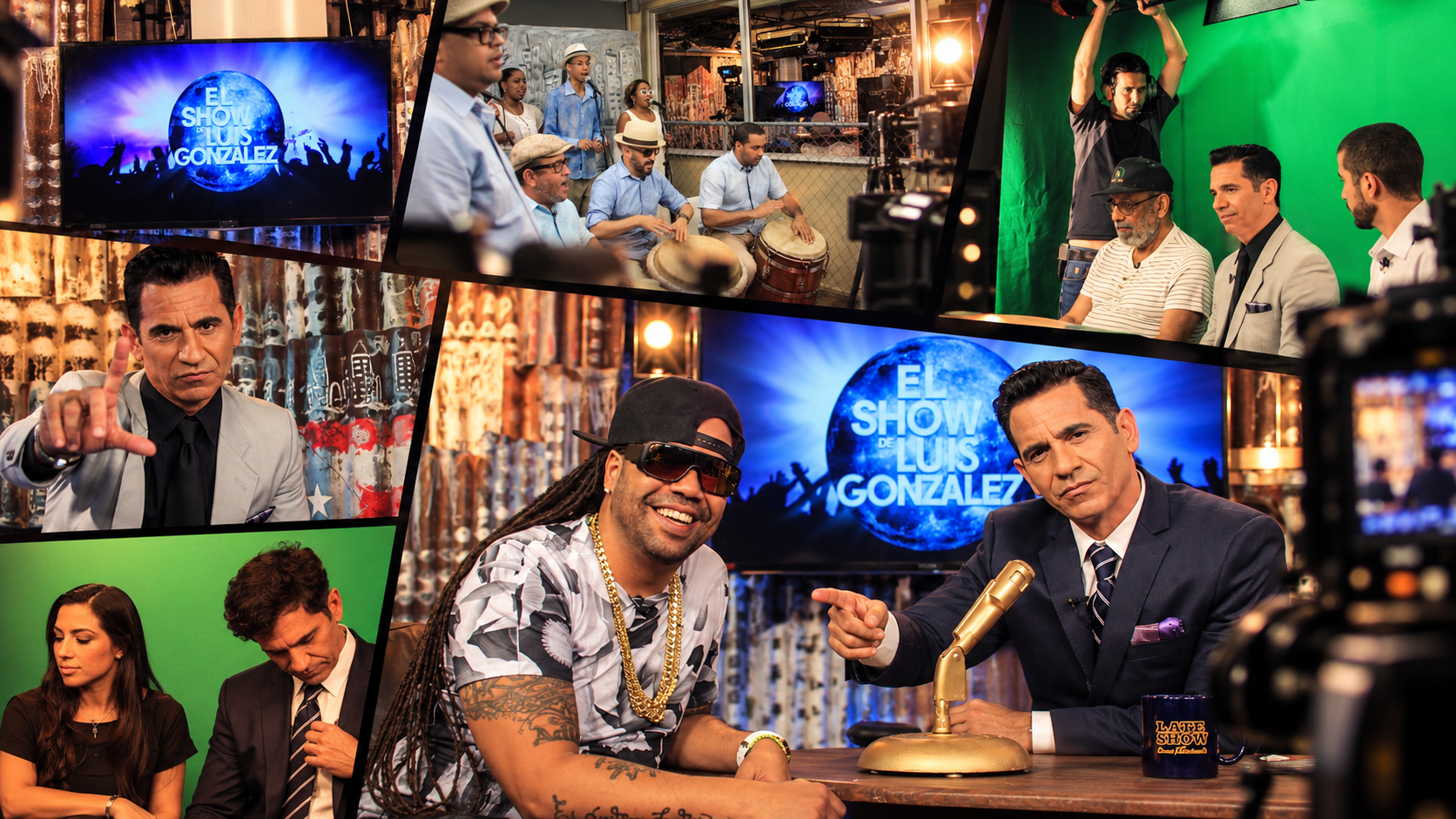
Between 2015 and 2018, I had the opportunity to work as a Production Assistant for Luis González, supporting the television production environment associated with América TeVé.
It was an experience that expanded my understanding of broadcasting, strengthened my production management skills, and taught me valuable lessons about communication and leadership.
Most importantly, it reinforced something I continue to believe today: A successful production is never the accomplishment of one person. It is the result of many professionals working toward a shared vision.
More Than What Happens on Camera
Working in television production gave me a different perspective on entertainment.
Audiences experience a finished program, but behind every episode is a complex operation involving producers, writers, camera operators, lighting technicians, production assistants, guests, and other professionals.
As a Production Assistant, my responsibilities extended across several stages of the production process.
I supported the production of more than 45 weekly television episodes, contributing to programming with an estimated reach of over 200,000 viewers across Puerto Rico and the U.S. Hispanic market.
My role required organization, adaptability, attention to detail, and the ability to communicate with people performing very different responsibilities.
Every production presented new challenges, and every challenge became an opportunity to learn.
Preparing the Set: Where Production Begins
One of my responsibilities involved coordinating set preparation before filming.
This included organizing lighting, camera arrangements, props, stage layouts, and other production materials to support the creative and technical requirements of each episode.
Something as simple as moving a prop or adjusting the stage layout could affect camera positioning, lighting consistency, and the overall presentation.
These details mattered because television production depends on coordination between creative decisions and technical execution.
Working within América TeVé broadcast standards also helped me understand the importance of maintaining professional consistency.
My biggest lesson from set preparation was that organization is not simply an administrative task. It is part of the creative process.
When the production environment is properly prepared, everyone can concentrate on delivering their best work.
Working With Guests: The Human Side of Television
Another important aspect of my work involved supporting guest coordination.
Throughout each season, I helped coordinate more than 60 guest appearances, preparing interview materials, organizing background information, and supporting the production team’s preparation.
Guest coordination taught me that an interview begins long before the cameras start recording.
Understanding a guest’s background, preparing relevant information, and ensuring clear communication all contribute to a more engaging conversation.
Our guest preparation efforts were associated with a reported 15% improvement in audience engagement.
Looking back, this experience helped shape my understanding of public relations and audience-centered communication.
An interview is not simply about asking questions. It is about creating the conditions for meaningful conversation.
That principle remains relevant whether we are producing television, recording a podcast, developing a digital media campaign, or communicating on behalf of an organization.
Timing Is Everything in Television
One of the most demanding aspects of television production is maintaining the schedule.
During filming, I monitored production timelines, coordinated cue sequences, and helped ensure smooth transitions between segments.
A delay in one area could affect the entire production.
This required constant awareness of what was happening on the set, what needed to happen next, and which team members needed information.
Our coordination efforts helped reduce on-air timing errors by approximately 20%.
But beyond the numbers, the experience taught me how important it is to remain focused and adaptable in fast-moving environments.
Effective communication becomes even more important when there is little room for error.
Learning the Business Behind Entertainment
Television production is also a business.
Beyond the creative environment, productions must manage budgets, equipment, materials, vendors, and operational resources.
Part of my responsibilities included procuring set materials, technical equipment, and catering services while working within budget limitations.
Through vendor coordination and procurement optimization, I contributed to an estimated 10% reduction in procurement costs.
This was particularly valuable because it connected my interests in entertainment, business management, and production operations.
I learned that creativity and financial responsibility are not competing priorities.
They must work together.
A production can have an excellent creative concept, but without planning, budgeting, and resource management, even the best ideas can become difficult to execute.
The Importance of Collaboration Behind the Scenes
Perhaps one of the most valuable parts of this experience was working alongside professionals with different responsibilities and perspectives.
Producers were focused on the overall program. Writers were developing content. Camera crews were managing technical execution. Other production personnel were handling logistics and immediate operational needs.
My responsibility was often to help connect those moving parts.
I collaborated with team members to address on-set issues, communicate changes, and improve production workflows.
Those collaborative efforts contributed to an estimated 25% improvement in overall production efficiency.
But what stayed with me was not simply the improvement in performance.
It was the understanding that strong teams depend on mutual respect, accountability, and communication.
Not everyone needs to be in front of the camera to make a meaningful contribution.
Some of the most important work happens behind it.
From Television Production to Strategic Communication
When I reflect on my professional journey, I can see how this experience contributed to the work I do today.
Television production introduced me to practical lessons that apply across multiple industries:
- Strategic communication: Delivering the right information to the right people at the right moment.
- Leadership: Taking responsibility, anticipating problems, and supporting team performance.
- Audience engagement: Understanding that successful content begins with knowing whom we are trying to reach.
- Project management: Coordinating resources, deadlines, and people to accomplish a shared objective.
- Creative problem-solving: Finding practical solutions without losing sight of the final product.
- Business operations: Balancing quality, creativity, and financial responsibility.
These lessons have remained relevant throughout my work in entertainment, public relations, digital media, and professional development.
Technology has transformed how we create and distribute content, but many of the fundamental principles of successful production remain the same.
People still need to communicate. Teams still need to collaborate. Audiences still need meaningful content.
And every successful project still requires someone willing to do the work behind the scenes.
Looking Back: The Experiences That Shape Our Professional Identity
Sometimes we measure professional growth through job titles, degrees, certifications, or promotions.
But I believe we should also recognize the experiences that develop our judgment, strengthen our skills, and change how we approach our work.
My years supporting television production for Luis González were part of that development.
They helped me appreciate the relationship between storytelling, production management, communication, and leadership.
They also reminded me that professional growth often happens while we are focused on helping someone else succeed.
Today, as I continue sharing my experiences through iamjustbarb.com, I want to document more than professional accomplishments.
I want to share the lessons behind them.
Because our professional stories are not simply a collection of positions we have held.
They are a record of what we have learned, the people we have worked with, and the value we have contributed along the way.
Watch a Recording of the Show
Here is a recording of Tarde en la Noche con Luis González, offering a glimpse into the television production environment that formed part of my professional journey.
Let’s Connect: What Have Your Behind-the-Scenes Experiences Taught You?
Have you ever worked in television, radio, film, live events, or another creative production environment?
What did those experiences teach you about teamwork, communication, or leadership?
I would love to hear your perspective.
Share your experience in the comments, connect with me on LinkedIn, and explore more of my professional journey at iamjustbarb.com.
Strategic Communication | Public Relations | Entertainment Business | Leadership & Storytelling

Until next time, take care and keep shining! 👋🏽✌🏽🐝
Yes, I use AI.
I believe in using the technology and tools available to me to support my creativity, organize ideas, explore possibilities, and bring concepts to life. AI is one of the tools in my toolbox—not a replacement for my experience, perspective, or voice.
Technology continues to evolve. So do we.